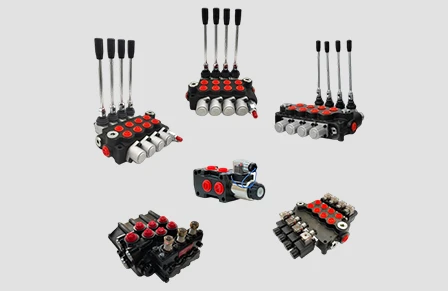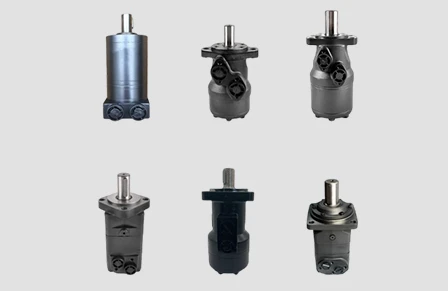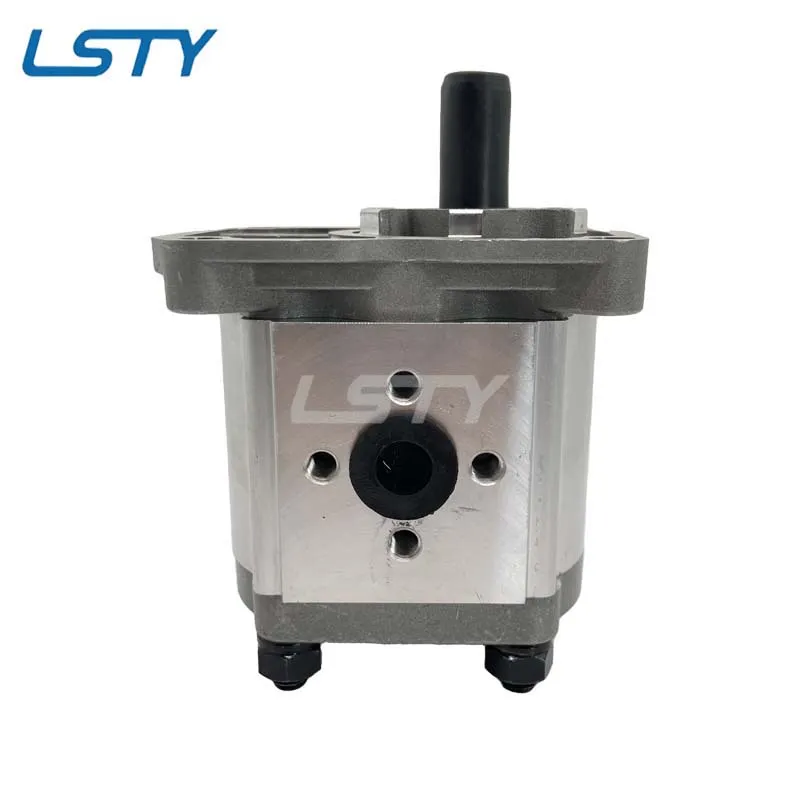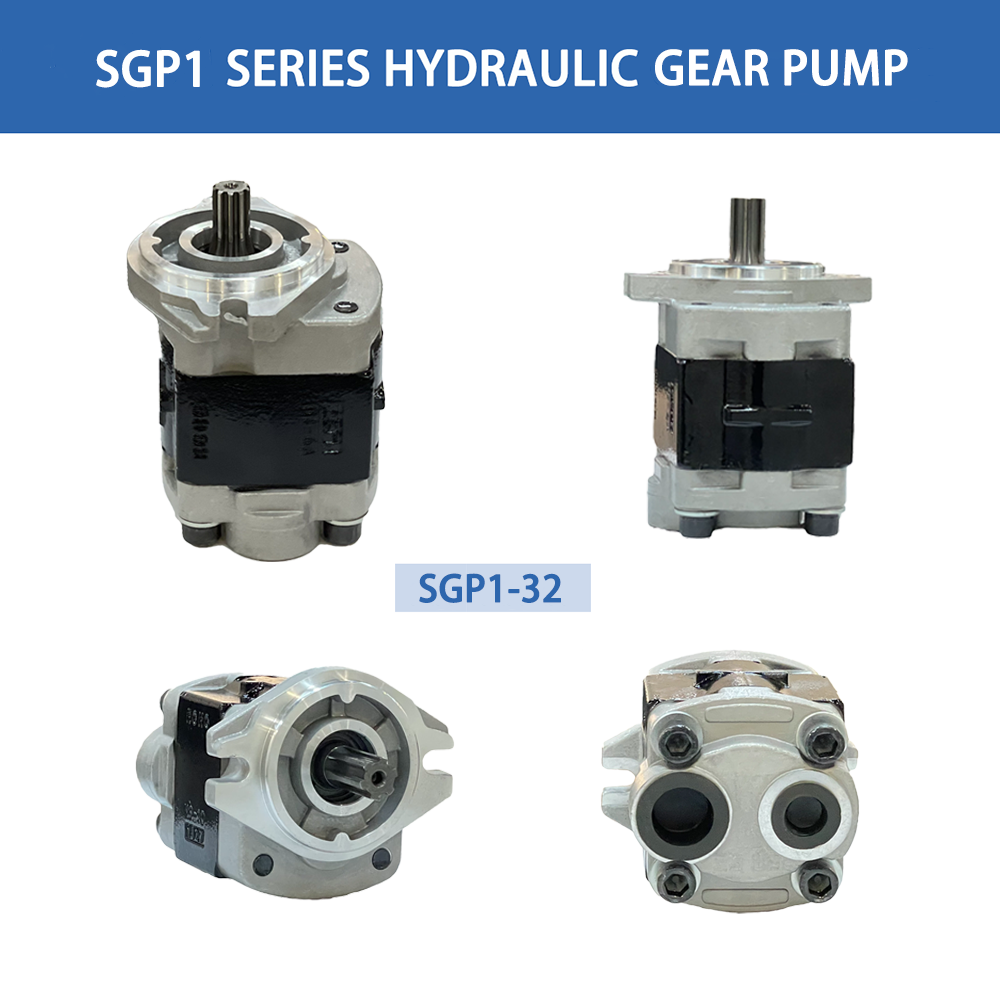





hydraulic monoblock solenoid control valve
Introduction to Hydraulic Monoblock Valves: Precision Control for Industrial Applications In the realm of hydraulic systems, the hydraulic monoblock valve stands as a critical component, revered for its compact design, efficiency, and robust performance. These integral multi-way directional valves are engineered to manage fluid flow within hydraulic circuits, offering precise control over actuator movements in a wide array of industrial and mobile applications. Unlike modular systems that require multiple individual valves and intricate piping, a monoblock valve consolidates several functions into a single, cast body, significantly reducing the potential for leakage points, simplifying installation, and optimizing space. Targeted at B2B decision-makers and engineers, this article delves into the intricacies of these essential devices, covering everything from their manufacturing precision and technical specifications to their broad application spectrum and the inherent advantages they offer. We specifically highlight products like the P80 Series 1P80, 2P80, 3P80, 4P80, 5P80, 6P80 Integral Multi-way Directional Valves, which exemplify the advanced capabilities and reliability expected in today's demanding hydraulic environments. Industry Trends and Market Dynamics of Monoblock Control Valves The market for monoblock control valve solutions is currently experiencing significant growth, driven by an escalating demand for more efficient, compact, and high-performance hydraulic systems across various sectors. Recent market analysis suggests the global hydraulic equipment market, which includes these valves, is projected to reach approximately USD 45 billion by 2027, growing at a CAGR of around 4-5% from 2020. Key drivers include the global push for infrastructure development, increasing automation in manufacturing, and the continuous evolution of agricultural and construction machinery requiring more sophisticated hydraulic control. Miniaturization and Integration: There's a strong trend towards smaller, lighter, and more integrated components. This plays directly into the strengths of the monoblock design, which reduces system complexity and weight. Energy Efficiency: New designs focus on minimizing pressure drops and optimizing flow paths to reduce energy consumption, crucial for meeting stringent environmental regulations and operational cost savings. Digitalization and IoT Integration: The integration of smart sensors and electronic controls is making hydraulic monoblock valve systems more adaptive, predictive, and remotely manageable, enhancing operational efficiency and maintenance planning. Durability and Corrosion Resistance: Increasing demand for valves capable of operating in harsh environments, such as those exposed to corrosive fluids or extreme temperatures, is spurring innovation in material science and surface treatments. These trends underscore the importance of selecting robust, high-quality valves that can adapt to evolving industrial demands while providing reliable and efficient performance. The Advanced Manufacturing Process of Hydraulic Monoblock Valves The production of a high-quality hydraulic monoblock valve is a meticulous process demanding precision engineering and adherence to strict quality control standards. The goal is to produce a durable, leak-free, and high-performance component. Key Materials: Typically, the valve body is cast from high-grade grey cast iron (e.g., GG25 or EN-GJL-250) or ductile iron (e.g., GGG40), chosen for its excellent machinability, vibration damping characteristics, and pressure containment capabilities. Spools are commonly made from hardened steel alloys (e.g., 20CrMnTi, 40Cr) for superior wear resistance and strength, precision ground to achieve extremely tight tolerances. Manufacturing Process Flow: 1. Design & Simulation: Advanced CAD/CAE tools are used for initial design, fluid dynamics simulation, and structural analysis to optimize flow paths, minimize pressure drops, and ensure structural integrity under operational loads. 2. Casting or Forging: Casting: Molten iron is poured into molds to create the complex internal galleries and external form of the valve body. This method is cost-effective for intricate shapes. Forging (less common for full monoblocks, but for components): For critical parts, forging can be used to improve material grain structure, enhancing strength and fatigue resistance. 3. Machining (CNC): After casting, valve bodies undergo precise CNC (Computer Numerical Control) machining. This includes boring spool bores, drilling port connections, and milling mounting faces to achieve micron-level tolerances. Spools are also ground to a very fine surface finish to minimize friction and internal leakage. 4. Deburring & Cleaning: Critical to remove any sharp edges or debris from the machining process that could impede operation or damage seals. Thorough cleaning removes contaminants. 5. Surface Treatment: Depending on the application, surfaces might be treated for enhanced corrosion resistance (e.g., phosphating, zinc plating for valve body) or wear resistance (e.g., hard chrome plating for spools). 6. Assembly: Skilled technicians assemble the valve components, including spools, springs, seals, and actuation mechanisms (e.g., levers, solenoids), ensuring proper alignment and functionality. 7. Rigorous Testing: Every monoblock valve undergoes comprehensive functional and endurance testing. Testing Standards & Service Life: Valves are tested against international standards such as ISO 4411 (Hydraulic fluid power – Control components – Directional control valves – Mounting surfaces and porting), ISO 10770 (Hydraulic fluid power – Pressure-reducing valves), and ANSI B93.7. These tests verify pressure ratings, flow characteristics, internal and external leakage, operational force, and fatigue resistance. A well-manufactured hydraulic monoblock valve , when properly maintained, can achieve a service life exceeding 10,000 operational hours, often much more, depending on load cycles and environmental conditions. Target Industries & Advantages: These valves are indispensable in target industries such as agriculture (tractors, harvesters), construction (excavators, loaders), material handling (forklifts, cranes), municipal vehicles (snow plows, refuse trucks), and compact industrial machinery. Advantages include: Energy Saving: Optimized internal flow passages minimize pressure drop, reducing pump load and thus energy consumption in hydraulic systems. Corrosion Resistance: High-quality materials and protective surface treatments ensure longevity even in demanding, corrosive environments like those found in marine or chemical processing applications. Compactness: Integrating multiple functions into one body saves significant space and weight, crucial for mobile equipment. Reduced Leakage: Fewer sealing surfaces compared to modular systems inherently decrease potential leakage points, enhancing system reliability and environmental safety. Image 1: Precision machined internal passages of a hydraulic monoblock valve . Technical Specifications: P80 Series Hydraulic Monoblock Valve The P80 Series Integral Multi-way Directional Valve is an exemplary hydraulic monoblock valve , designed for robust performance in demanding mobile and industrial hydraulic applications. Available in configurations from 1P80 up to 6P80, these valves offer versatile control options and reliable operation. Below is a detailed table outlining key specifications: P80 Series Product Specification Table Parameter Specification Description Nominal Flow Rate (Q nom ) 80 L/min (21 US GPM) Maximum recommended continuous flow for optimal performance. Max. Operating Pressure (P, A, B ports) 315 Bar (4600 PSI) Maximum pressure rating for working ports. Max. Operating Pressure (T port) 50 Bar (725 PSI) Maximum back pressure for the return port. Number of Sections 1 to 6 Sections Configurable for various multi-function applications. Spool Types Wide range (e.g., A, O, Y, P, S) Adaptable for single-acting, double-acting, motor control, float, etc. Actuation Options Manual Lever, Pneumatic, Electro-pneumatic, Hydraulic, Electro-hydraulic Versatile control methods for different operational requirements. Port Threads G3/4", G1/2", 3/4" BSP, 1/2" BSP Common thread types for easy system integration. Operating Temperature -20°C to +80°C (-4°F to +176°F) Suitable for a broad range of environmental conditions. Valve Body Material Cast Iron (EN-GJL-250) Ensures durability and resistance to hydraulic forces. Image 2: A P80 series monoblock valve with manual lever actuation. These specifications underscore the versatility and robust engineering of the P80 series, making it suitable for a wide range of mobile and industrial machinery where precise and reliable hydraulic control is paramount. Application Scenarios and Technical Advantages The inherent design and performance characteristics of the hydraulic monoblock valve make it ideal for a diverse array of applications demanding high reliability and precise control. Its integrated nature provides several technical advantages over traditional modular valve systems. Typical Application Scenarios: Agricultural Machinery: Used in tractors, combine harvesters, front loaders, and agricultural implements for controlling hydraulics for steering, lifting, tilting, and operating various attachments. Their robustness suits harsh outdoor conditions. Construction Equipment: Essential for mini excavators, backhoe loaders, skid-steer loaders, and compact utility vehicles. They provide precise control over buckets, booms, and other hydraulic tools, enhancing operational efficiency and safety. Material Handling Equipment: Found in forklifts, stackers, and small cranes, controlling lift, tilt, and attachment functions. The compact design is beneficial in confined spaces. Municipal Vehicles: Applications include refuse trucks (compaction and lifting mechanisms), snow plows (blade positioning), and street sweepers, where multi-functionality and reliability are key. Forestry and Logging: In log splitters, grapples, and small forestry cranes, these valves ensure powerful and controlled movements of heavy loads. Technical Advantages: Compact Design & Space Efficiency: By integrating multiple functions into a single block, the monoblock valve significantly reduces the overall footprint and weight of the hydraulic system, which is crucial for mobile machinery where space is at a premium. Reduced Leakage Points: Fewer connections and seals mean a substantial reduction in potential leakage points. This enhances system reliability, minimizes fluid loss, and reduces environmental impact. Simplified Plumbing & Installation: The integrated design streamlines hydraulic plumbing, leading to faster, easier, and less error-prone installation. This also simplifies maintenance and troubleshooting. Improved System Performance: Optimized internal flow passages result in lower pressure drops and higher volumetric efficiency. This contributes to energy savings, as the pump needs less power to move fluid, and allows for more precise and responsive control of actuators. Enhanced Durability & Corrosion Resistance: The robust cast body and high-quality materials, often coupled with specialized surface treatments, provide exceptional resistance to mechanical stress, vibration, and corrosive elements, ensuring a longer service life even in harsh operating environments. Cost-Effectiveness: While the initial unit cost might be comparable to some modular setups, the overall system cost is often lower due to reduced plumbing, fewer components, faster assembly, and lower long-term maintenance needs. Image 3: Diverse applications benefit from the compact design of a hydraulic monoblock valve . These advantages collectively position the hydraulic monoblock valve as a superior choice for a wide range of mobile and compact industrial machinery, driving efficiency and reliability in critical hydraulic functions. Vendor Comparison: Choosing the Right Monoblock Control Valve Partner Selecting the right vendor for hydraulic manual spool monoblock valves is a critical decision that impacts system performance, reliability, and total cost of ownership. Beyond initial purchase price, factors such as product quality, technical support, customization capabilities, and after-sales service are paramount. Here's a comparative overview highlighting key considerations and how a reputable vendor like AUTOLSTY positions itself. Key Factors for Vendor Evaluation: Product Quality & Reliability: Adherence to international manufacturing and testing standards (ISO, CE). Material quality, precision engineering, and robust construction. Technical Expertise & Support: Availability of experienced engineers for consultation, system design, and troubleshooting. Comprehensive documentation and training. Customization & Flexibility: Ability to provide tailored solutions for specific application requirements, including custom spool configurations, porting, and actuation options. Lead Time & Logistics: Efficient production processes and supply chain management to ensure timely delivery and minimize project delays. Warranty & After-Sales Service: Clear warranty policies, readily available spare parts, and responsive customer support for long-term operational assurance. Cost-Effectiveness: A balance between competitive pricing and long-term value derived from product performance, durability, and support. Vendor Comparison Table (Illustrative): Feature/Criteria Generic Vendor A Generic Vendor B (Premium) AUTOLSTY (P80 Series) Product Quality Standard (meets basic needs) High (premium materials, tight tolerances) High (ISO-certified, robust cast iron, precision CNC) Customization Options Limited standard options Moderate to High Extensive (spools, actuation, porting, pressure settings) Technical Support Basic documentation Dedicated engineering support Responsive expert support & consultation Lead Time Variable, can be long Generally efficient Optimized production, typically 2-4 weeks for standard products Cost-Effectiveness Low initial, higher potential long-term High initial, good long-term Competitive pricing, excellent long-term value (performance/durability) Certifications Local standards ISO, CE, sometimes industry-specific ISO 9001, CE, rigorously tested per industry norms Image 4: Diverse configurations of a monoblock control valve . AUTOLSTY, with its focus on the P80 series, aims to strike an optimal balance, providing high-quality, customizable hydraulic monoblock valve solutions backed by strong technical support and competitive pricing, ensuring superior value for our B2B partners. Customized Solutions for Hydraulic Monoblock Valves While standard hydraulic monoblock valves meet the needs of many applications, numerous industrial and mobile systems require highly specialized configurations. Recognizing this, leading manufacturers offer extensive customization options to ensure optimal performance, integration, and longevity for unique operational demands. Areas of Customization: Spool Configurations: Beyond standard double-acting or single-acting spools, specialized spool cuts can be engineered for specific flow characteristics, regenerative circuits, motor control with various flow restrictions, or closed-center applications. This allows for fine-tuned control over actuator speed and force. Actuation Methods: While manual levers are common, customization extends to pneumatic, electro-pneumatic, hydraulic, and electro-hydraulic actuation. This enables integration with sophisticated electronic control systems, remote operation, or automation sequences. Port Sizes & Types: Adapting to existing hydraulic lines is crucial. Custom port sizes (e.g., G3/4", G1/2", 3/4" BSP, 1/2" BSP) and thread types can be specified to ensure seamless integration without requiring additional adapters, thereby reducing potential leak points and simplifying assembly. Integrated Auxiliary Functions: The monoblock design allows for the integration of additional functions directly into the valve body. This can include pressure relief valves, anti-shock/anti-cavitation valves, flow control valves, or pilot-operated check valves. This reduces the need for external components, further enhancing compactness and system simplicity. Pressure Settings: Individual section relief valve settings can be factory-set to specific pressure requirements for different circuits, protecting components and ensuring safe operation tailored to each actuator's needs. Surface Treatments & Materials: For extreme environments (e.g., marine, chemical processing, food industry), specialized coatings (e.g., nickel plating, ceramic coatings) or even different body materials (e.g., stainless steel for corrosive media) can be specified to enhance corrosion resistance and extend service life. Image 5: Customizable spool options for a monoblock valve . Working closely with a knowledgeable manufacturer allows engineers to optimize their hydraulic systems, achieving higher levels of performance, efficiency, and reliability that standard off-the-shelf solutions might not provide. This collaborative approach ensures the hydraulic monoblock valve perfectly aligns with the specific demands of the application. Real-World Application Case Studies & Customer Experience The practical benefits of hydraulic monoblock valve technology are best illustrated through real-world applications where they deliver tangible improvements in performance, reliability, and operational efficiency. Here are a couple of examples demonstrating the impact of high-quality valves like the P80 Series. Case Study 1: Enhanced Efficiency in Agricultural Front Loaders A leading manufacturer of agricultural equipment faced challenges with their existing modular valve systems in front loaders, experiencing frequent issues with hose routing complexity, potential leakage, and slow response times for bucket and boom movements. Upon integrating AUTOLSTY's P80 Series hydraulic monoblock valves (specifically a 2P80 configuration with specific spool types for lift and tilt functions), they observed significant improvements: Reduced Assembly Time: The simplified, compact design cut assembly time for the hydraulic system by 15%, lowering manufacturing costs. Improved Operator Control: Operators reported smoother, more responsive control of the loader functions, leading to reduced cycle times and enhanced productivity in the field. Minimized Leakage: The integrated design drastically reduced external leakage, contributing to a cleaner, safer machine and reduced fluid consumption. Customer Feedback: "The P80 valve transformed our front loader's hydraulic system. The robustness and precision are exactly what our customers demand for demanding farm work." - Head of Engineering, Agricultural Equipment Manufacturer. Case Study 2: Optimized Performance in Compact Excavators A compact excavator producer sought to enhance the maneuverability and power of their smaller machines without increasing their footprint. By implementing a 3P80 monoblock valve with electro-hydraulic control options for boom, stick, and bucket, they achieved: Superior Multi-Functionality: Simultaneous, proportional control of multiple functions became possible, significantly improving excavation efficiency. Space Saving: The integrated block valve freed up valuable space within the excavator's chassis, allowing for better component layout and accessibility. Reduced Downtime: The robust construction and fewer potential failure points led to a noticeable reduction in hydraulic system-related downtime. Customer Feedback: "Our new line of excavators relies heavily on the P80 series. The precise control and durability have been key selling points for us, leading to increased customer satisfaction." - Product Manager, Construction Equipment. Image 6: A hydraulic monoblock valve integrated into heavy machinery. These case studies highlight how well-engineered hydraulic manual spool monoblock valves contribute directly to the enhanced performance and reliability of the end product, demonstrating clear value to B2B clients. Ensuring Quality & Authoritativeness ( Standards) Adherence to Google's (Expertise, Experience, Authoritativeness, Trustworthiness) standards is paramount for any reputable manufacturer of critical hydraulic components. Our commitment to these principles ensures that our clients receive not only superior products but also the confidence that comes from partnering with an industry leader. Expertise and Experience: With years of specialized experience in hydraulic systems, our engineering team possesses deep expertise in the design, manufacturing, and application of hydraulic monoblock valves . This expertise is continually refined through ongoing research and development, addressing the evolving needs of the industry and integrating the latest technological advancements. Our service case details, like those in the previous section, demonstrate practical experience in solving complex hydraulic challenges for diverse clients across various sectors. Authoritativeness: Industry Certifications: Our manufacturing processes and products are certified to international standards such as ISO 9001:2015 for quality management systems and CE conformity, assuring consistent quality and safety. Testing and Validation: Every P80 series monoblock valve undergoes rigorous testing in accordance with ISO 4411 and other relevant standards. This includes endurance tests, pressure cycling, and leakage checks, with detailed test data available upon request to validate performance claims. Partner Clients: We serve a broad base of original equipment manufacturers (OEMs) and industrial integrators globally, who rely on our products for their critical applications. While specific names are confidential, our long-standing relationships with leaders in agriculture, construction, and material handling sectors speak volumes. Years of Service: Our consistent presence and growth in the hydraulic market for over a decade demonstrate a deep understanding of industry needs and a commitment to long-term partnerships. Image 7: Quality testing and certification for a hydraulic monoblock valve . By consistently upholding these standards, we ensure our clients receive not just a product, but a comprehensive solution backed by verifiable quality and industry leadership. Trustworthiness: FAQ, Lead Time, Warranty, and Customer Support Building and maintaining trust with our B2B partners is fundamental. This section addresses common concerns and outlines our commitments to transparency, reliability, and unparalleled customer service. Frequently Asked Questions (FAQ) about Hydraulic Manual Spool Monoblock Valves: Q1: What is the primary advantage of a hydraulic manual spool monoblock valve over a sectional valve? A1: Monoblock valves offer superior compactness, fewer potential leakage points due to integrated construction, and often simpler installation. Sectional valves offer greater flexibility for adding/removing sections, but typically at the cost of size and plumbing complexity. Q2: Can the P80 series be used with different types of hydraulic fluids? A2: The P80 series is compatible with mineral-based hydraulic oils. For use with other fluid types (e.g., synthetic, biodegradable, water-glycol), please consult our technical support team for material compatibility and seal recommendations to ensure optimal performance and longevity. Q3: How do I select the correct spool type for my application? A3: Spool selection depends on the function required (e.g., single-acting cylinder, double-acting cylinder, hydraulic motor). Common types like "A" (double-acting with closed center) or "Y" (single-acting) are widely used. Our technical team can assist you in choosing the most suitable spool based on your specific actuator and control needs. Q4: What maintenance is required for a monoblock control valve ? A4: Regular maintenance typically involves ensuring the hydraulic fluid is clean and free of contaminants (per ISO 4406 standards), checking for external leaks, and verifying the proper functioning of relief valves. Periodically, seals may need inspection and replacement, though high-quality seals offer extended life. Lead Time and Fulfillment Details: We understand the importance of timely delivery for project continuity. Our standard lead time for most P80 series hydraulic monoblock valve configurations is typically 2-4 weeks from order confirmation. For custom solutions or large-volume orders, lead times will be communicated clearly and agreed upon during the quotation phase. We utilize robust logistics partners to ensure efficient and reliable global shipping. Real-time tracking information is provided for all shipments. Warranty Commitments: All P80 Series Integral Multi-way Directional Valves are backed by a comprehensive 12-month warranty from the date of purchase, covering defects in materials and workmanship under normal operating conditions. This commitment reflects our confidence in the quality and durability of our products. Extended warranty options are available upon discussion for specific project requirements. Customer Support Information: Our dedicated customer support team is available to assist with technical inquiries, product selection, order status, and after-sales service. We offer support through: Email: (email address here for B2B inquiries) Phone: (phone number here for technical support) Online Portal: Access to product documentation, FAQs, and support tickets. Image 8: Customer support for hydraulic monoblock valve solutions. We are committed to providing prompt, knowledgeable assistance to ensure your hydraulic systems operate seamlessly and efficiently. Conclusion: The Future of Hydraulic Control with Monoblock Valves The hydraulic monoblock valve continues to be a cornerstone of modern hydraulic systems, embodying a blend of robust design, precision engineering, and versatile application. As industries push for greater efficiency, compactness, and reliability, the integrated nature of these valves, exemplified by our P80 series, offers compelling advantages. From reducing system complexity and potential leakage points to enhancing control precision and energy efficiency, the benefits are clear and directly translate into improved operational performance and reduced total cost of ownership for B2B clients. Through continuous innovation in manufacturing processes, adherence to stringent quality standards, and a customer-centric approach to customization and support, we are dedicated to advancing hydraulic technology. Partnering with a trusted provider for your monoblock valve needs ensures not only access to high-performance components but also a strategic advantage in a competitive market. References: ISO 4411:2008. Hydraulic fluid power – Control components – Directional control valves – Mounting surfaces and porting. International Organization for Standardization. ISO 10770-1:1998. Hydraulic fluid power – Electrically modulated hydraulic control valves – Part 1: Methods for establishing steady-state performance. International Organization for Standardization. Global Hydraulic Equipment Market Size, Share & Trends Analysis Report By Product, By Application, By Region, And Segment Forecasts, 2021 – 2028. Grand View Research. (Note: Specific market report details will vary and require access to subscription services for precise figures). Understanding Hydraulic Monoblock Valves: Design, Application, and Selection. Parker Hannifin Corporation Technical Papers. Fluid Power Handbook & Directory. Penton Media Inc.
40 years of experience in manufacturing and 15 years of export experience

We can customize products according to the specific needs of customers.

High-quality products and strict test bench testing before package